Does Seeing One Cockroach Mean You Have an Infestation?
Not always—but you should take it seriously.
Here’s a helpful rule of thumb:
- One cockroach during the day: higher chance there’s activity you’re not seeing (roaches prefer dark, quiet spaces).
- One cockroach at night: could be a one-off, but still worth checking—especially if it was in the kitchen or bathroom.
- One small roach (nymph): more concerning. If you’re seeing “babies,” it usually means there’s an established infestation.
If you’re not sure what you saw, don’t worry—use the steps below to inspect, reduce risk, and figure out whether this is a one-time incident or ongoing activity.
Signs There May Be More Than One Cockroach
A single sighting doesn’t confirm an infestation—but these signs should raise your concern:
- You’ve seen more than one roach in a week
- You’re seeing roaches in multiple rooms
- You find droppings (often described as pepper-like specks or coffee-ground debris)
- You find egg cases (oothecae)
- You see shed skins
- You notice a musty odor in enclosed spaces
- You see nymphs (baby roaches)
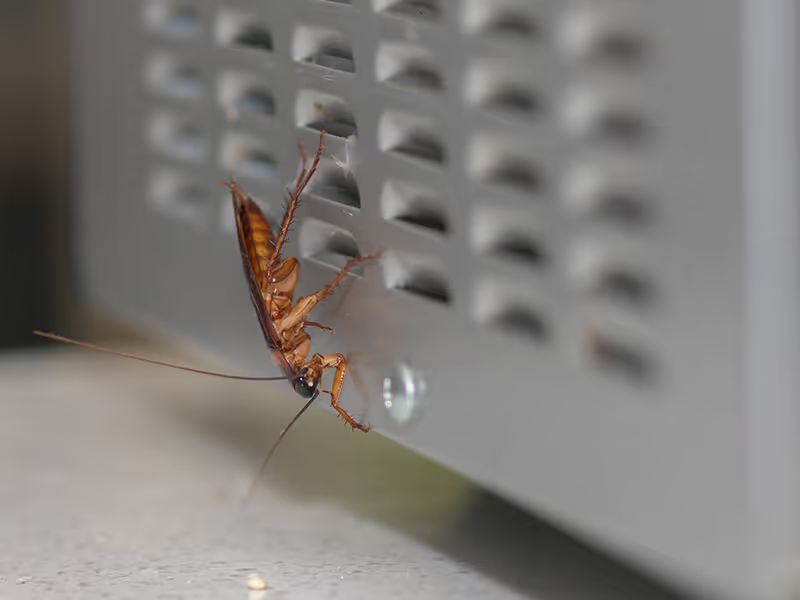
- You notice roaches coming from under appliances or inside cabinets
For a more detailed “what to look for” breakdown, see Signs of Cockroaches.
What to Do Immediately if You See A Roach (Or Several)
You don’t need to panic—you need to gather clues and reduce what roaches need to survive (food, water, shelter).
Remove the Roach (and Save It If Possible)
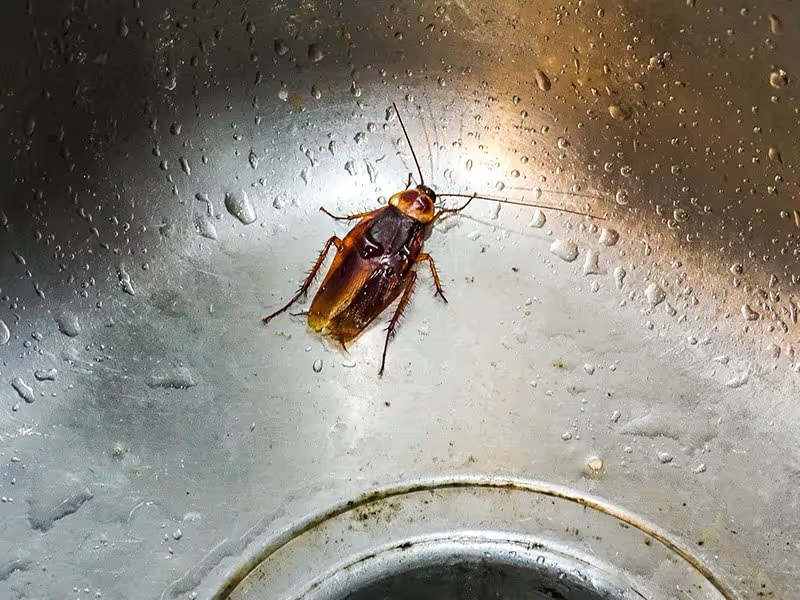
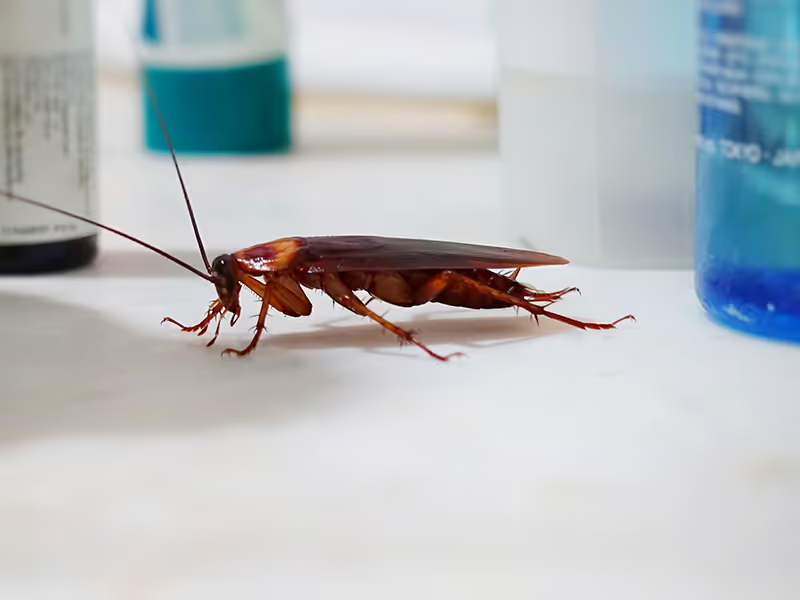
If you can safely do so, capture it in a cup or take a clear photo. Species matters, and a photo can help a professional identify what you’re dealing with.
Do a Fast Inspection in the “High-Risk Zones”
Focus your first check on areas where roaches most often find what they need:
- Under/behind the refrigerator and stove
- Under the kitchen sink and around plumbing penetrations
- Pantry corners and pet food storage areas
- Bathroom vanity and around the tub/shower
- Laundry room (especially near washers, water heaters, and drains)
Remove Food and Water Sources
Although these prevention tips won’t resolve an existing cockroach problem, they will make it harder for one to thrive.
- Put all food in sealed containers
- Don’t leave pet food out overnight
- Wipe counters, stovetops, and floors (crumbs matter)
- Rinse dishes and empty the sink
- Fix drips or standing water (or at least dry the area before bed)
Reduce Hiding Spots
Roaches love cluttered, undisturbed areas.
- Clear cardboard and paper stacks (especially in garages and pantries)
- Vacuum cracks/crevices along baseboards
- Store items in plastic totes rather than boxes
Where a Cockroach Usually Comes From
Homeowners often assume a roach means “my house is dirty.” In reality, roaches are opportunists—they go where they can easily find food, water, and shelter.
Common ways a cockroach shows up:
- Brought in accidentally (grocery bags, boxes, deliveries, used appliances)
- Came in from outside (around doors, garage, weep holes, foundation gaps)
- Moved from a nearby unit (more common in apartments/townhomes)
- Established indoors because conditions are right (moisture + food + harborage)
For the “why” behind this, read What Brings Cockroaches Into Your Home?.
The Species Question: Why It Changes the Risk
Not all cockroaches behave the same way, and that changes how worried you should be.
German Cockroaches
German cockroaches are the ones homeowners most want to avoid because they’re well-adapted to living indoors and can multiply quickly.
According to the Texas A&M AgriLife Extension, they are the most prolific cockroach species producing three to six generations per year. To put it in perspective, in ideal indoor conditions, just a few generations can allow a small hidden population to grow into the thousands.
- Prefer living indoors
- Multiply quickly
- Often hide close to food and moisture (kitchens, bathrooms, laundry rooms)
American Cockroaches
American cockroaches are larger and are often associated with damp areas (including crawl spaces, garages, and some drain-adjacent areas). They can be occasional invaders—but they can also become a recurring problem when conditions support them.
In warmer climates with long summers and sudden storms — like much of Texas and Oklahoma — American cockroaches are frequently driven indoors by heat, drought, or heavy rain. That’s why some sightings are seasonal, while others signal a moisture issue that needs attention.
- Often enter from outdoors, drains, crawl spaces, or garages
- Larger in size
- May be “occasional invaders,” but can still become a problem
What to Avoid (Common DIY Mistakes)
DIY products can help in limited situations, but some approaches waste time or make the problem harder to control.
- Overusing repellent sprays: This can push roaches deeper into wall voids and hidden spaces.
- Treating only what you see: Roaches hide. Surface spraying rarely addresses the source.
- Mixing too many products: It’s easy to create a “chemical soup” that’s ineffective and increases exposure risk.
When to Call a Professional for Cockroaches
Consider scheduling professional help if:
- You’ve seen multiple roaches, especially in the kitchen or bathroom
- You’ve found droppings/egg cases
- You suspect German cockroaches
Professional treatment isn’t just about eliminating what’s visible—it’s about finding the source, treating the right areas, and reducing the conditions that allow roaches to keep coming back.
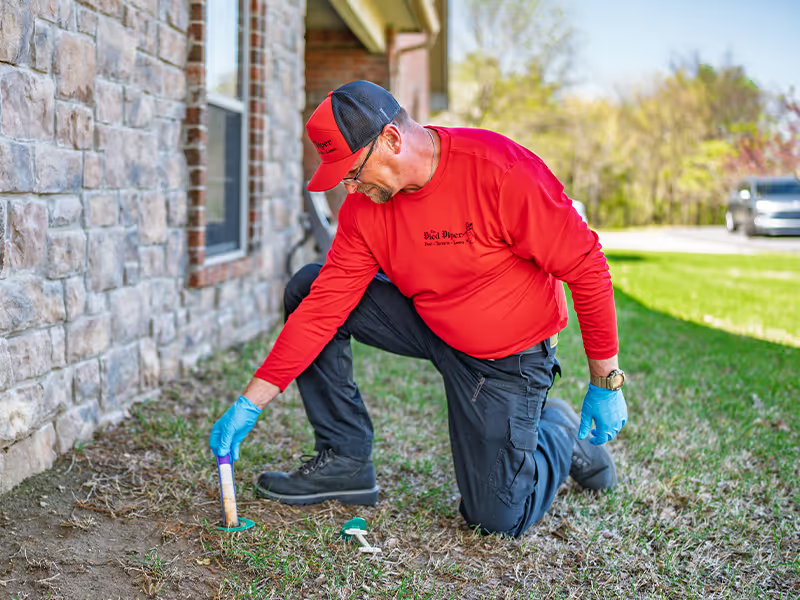
If you want to explore ongoing protection options, The Pied Piper offers comprehensive residential pest control plans. For immediate help, find a Pied Piper near you!
Prevention Tips That Actually Work Long-Term
If your goal is to keep this from becoming a repeat issue, focus on the fundamentals:
- Seal entry points: door sweeps, caulk gaps, and seal plumbing penetrations
- Control moisture: fix leaks, improve ventilation, keep sink areas dry
- Improve sanitation habits: especially at night (kitchens are the main “fuel source”)
- Reduce clutter: particularly cardboard storage
- Schedule routine pest control if your home has recurring issues
FAQ: What It Means If You See One Cockroach
If I Saw One Cockroach, Should I Be Worried?
You should be alert, not alarmed. Do a quick inspection and watch for signs over the next 7–14 days. If you find droppings, egg cases, or repeat sightings, treat it as an active problem.
What Does It Mean If I Saw a Cockroach in My Kitchen?
Kitchens provide food, water, and hiding spots—so a kitchen sighting has a higher chance of indicating ongoing activity, especially if it wasn’t near an exterior door.
Is It Normal to See Cockroaches After It Rains or Gets Cold?
Weather changes can push certain roaches indoors. That’s one reason sealing entry points and addressing moisture is so important.
Need Help Figuring Out What’s Going On?
At The Pied Piper, our licensed technicians have extensive experience identifying whether a sighting is a one-time invader or an active indoor infestation — and that distinction matters when choosing the right treatment approach. Request your free quote and let our experienced team provide the solution you need!
Article originally published January 26, 2018. Last updated March 2026 to reflect current best practices and regional conditions.